· Nova Machinery Team · Sourcing Guide · 6 min read
Sizing Biomass Burners for Boilers and Dryers (0.3–9.0 Million kcal)
Size a biomass burner from measured heat load, not a catalog photo. Catalog SKUs at 0.6, 3.6, and 6.0 million kcal; range 0.3–9.0 million kcal. Fuel type and chimney path quoted with the unit.
A biomass burner is sized to a heat load, not to a photograph of a hopper. Plant buyers who pick a unit because it “looks about right for our boiler” undersize the chamber, choke the chimney, or burn a fuel the grate was not quoted for. Sizing is a heat-and-fuel problem first, a catalog SKU second.
Nova Machinery Supply’s process line covers biomass burners from 0.3 to 9.0 million kcal for boilers and dryers, plus screw grinders when the same site needs size reduction. This guide is for boiler operators, dryer plants, and industrial importers who need to put a defensible number on the RFQ. Start from the process equipment catalog and machine specs.
Size from heat load, then pick the SKU
Write down what the burner must displace:
- Heat load of the boiler or dryer — in kcal or kW, from nameplate, thermal calculation, or a measured firing rate on the fuel you use today (gas, oil, or existing biomass).
- Hours of operation — how many hours the load is actually on, not how many hours the plant is open.
- Duty pattern — steady dryer train versus batch boiler with long idle.
- Fuel — pellet, chip, or mixed biomass, plus moisture if you know it.
- Chimney path — existing stack diameter and route, or a new path that must be drawn.
The catalog range is 0.3–9.0 million kcal. If your measured load sits in that band, we quote a unit in range. If it does not, say so — do not force a 9.0 million kcal ceiling onto a larger train, and do not buy a 0.6 million kcal unit for a load that already exceeds it on paper.
We do not publish a conversion table that pretends every fuel and every moisture land on the same output. Fuel type and chimney path are quoted with the unit.
Catalog SKUs: 0.6 / 3.6 / 6.0
Three burners are catalog machines. Use them as anchors, not as the only possible ratings inside the 0.3–9.0 million kcal range.
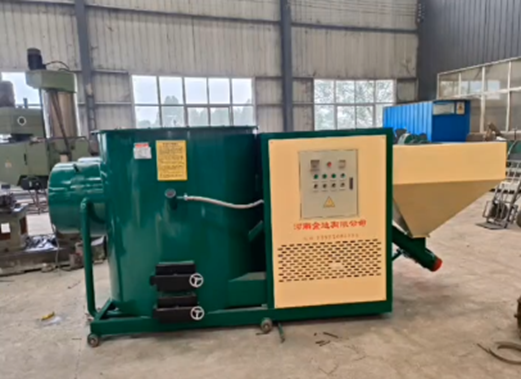
0.6 million kcal (600,000 kcal)
The small boiler and dryer unit. Sized to displace gas or oil on a measured small heat load — pack dryers, small steam boilers, and plants that are replacing a modest oil gun rather than a whole steam house.
Choose 0.6M when the load is clearly in the small-boiler band and the chimney path is short enough to quote with the unit. If the load is “we might add another dryer later,” size the current load and treat expansion as a second RFQ. Oversizing “for growth” on biomass is how you get poor turndown and wet stacks.
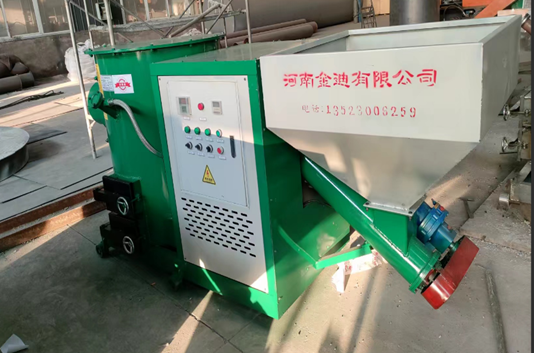
3.6 million kcal
The mid-size plant unit for boilers and industrial dryers. This is the default catalog photo for a reason: many process shops live in the middle of the range, not at the floor or the ceiling.
Choose 3.6M when the heat load sits in the mid band and you can describe fuel and chimney. Mid-size is also where mixed duty shows up — a boiler that also feeds a dryer coil. Describe both loads. Do not add them twice and do not hide the smaller one.
6.0 million kcal pellet burner
The large-train unit, specified as a pellet burner for large boilers and dryer trains. Catalog range still extends from 0.3 to 9.0 million kcal around it.
Choose 6.0M when pellet is the intended fuel and the load is a large boiler or multi-stage dryer. If the fuel is chip or mixed biomass rather than pellet, say that on the RFQ so the offer is not built on the wrong fuel system.
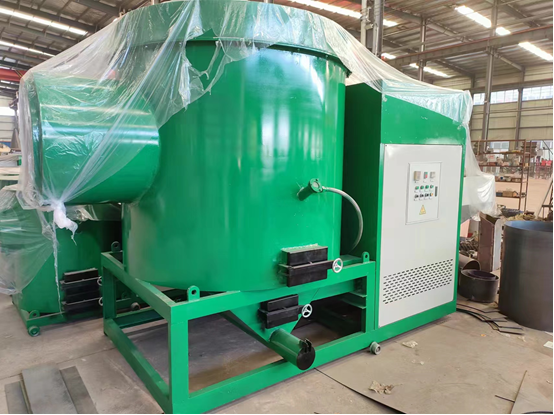
What about 0.9 / 2.4 / 4.8 million kcal photos?
Accessory and factory photos exist at other ratings. They are not extra catalog SKUs. Do not RFQ those ratings as if they were a published list. If your load falls between catalog anchors, send the load; we quote inside the 0.3–9.0 million kcal range rather than inventing a fourth catalog card.
Fuel, chimney, and the rest of the plant
Fuel
Pellet, chip, and mixed biomass do not interchange on the same quote. Moisture, fines, and ash behavior change hopper, feed, and clean-out. If you only know “biomass,” send a sample description or photos of what you actually burn. If you are switching from gas or oil, state the replacement intent and the fuel you can secure, not the fuel you hope to buy.
Chimney path
A burner without a quoted chimney path is a firebox looking for a place to put flue gas. Share:
- Existing stack size and material, or confirm that a new path is in scope.
- Distance and bends if the burner sits away from the boiler or dryer inlet.
- Any local requirement you already know (height, spark arrest, insulation). We do not invent a code listing for your city; your installer and AHJ own that. We need the path so the unit is not quoted into a wall.
Integration
Burners displace gas or oil on boilers and dryers. They are process equipment — Line B next to mill OEM — and they ship on the same factory terms. Combined programs (a mill line plus a dryer burner on one site) go through the OEM hub. Do not assume a mill voltage freeze automatically covers the burner MCC; list both.
Screw grinders on the same RFQ
If the plant also reduces textiles, woven bags, wood, bamboo, inner tubes, or mixed waste, the catalog grinders are Type 400 / 600 / 800, quoted from feedstock photos. Throughput is not a brochure number; it is quoted from what you actually feed. Put grinders on the same inquiry only when they are a real second machine, not a padding line.
RFQ checklist for a burner
- Heat load in kcal or kW, and how you got the number (nameplate, calculation, measured fuel).
- Hours of operation and batch vs continuous.
- Fuel: pellet, chip, or mixed biomass; moisture if known.
- Boiler or dryer make/model and photos of the current firing end.
- Chimney path: existing or new.
- Destination voltage and whether local installation is already contracted.
- Spare-parts package needed at start-up.
MOQ is quoted by machine. Quotes go out on working days. There is no published same-day burner SLA.
Process equipment is secondary to mill OEM on this site, but it is still specified like capital plant: load, fuel, path, then SKU. When those four are on paper, request the process quote and attach the heat-load note.