· Nova Machinery Team · Sourcing Guide · 6 min read
Sourcing Industrial Machinery from a China Mill OEM — RFQ, Layout Freeze, FAT, Packing, Commissioning
How plant buyers RFQ a Chinese mill OEM — freeze the layout, attend or define FAT, lock packing and commissioning, and request certificate copies. Jiaozuo plant since 2005, 80,000 m² industrial park.
Buying a mill line from China is not the same as buying a carton of catalog parts. The expensive mistakes are commercial, not metallurgical: a price without a frozen layout, a FAT that nobody defined, crates that do not match the bay, and certificates promised as a slogan instead of copies. This guide is for US and EU plant buyers writing a first (or a better) RFQ to a mill OEM.
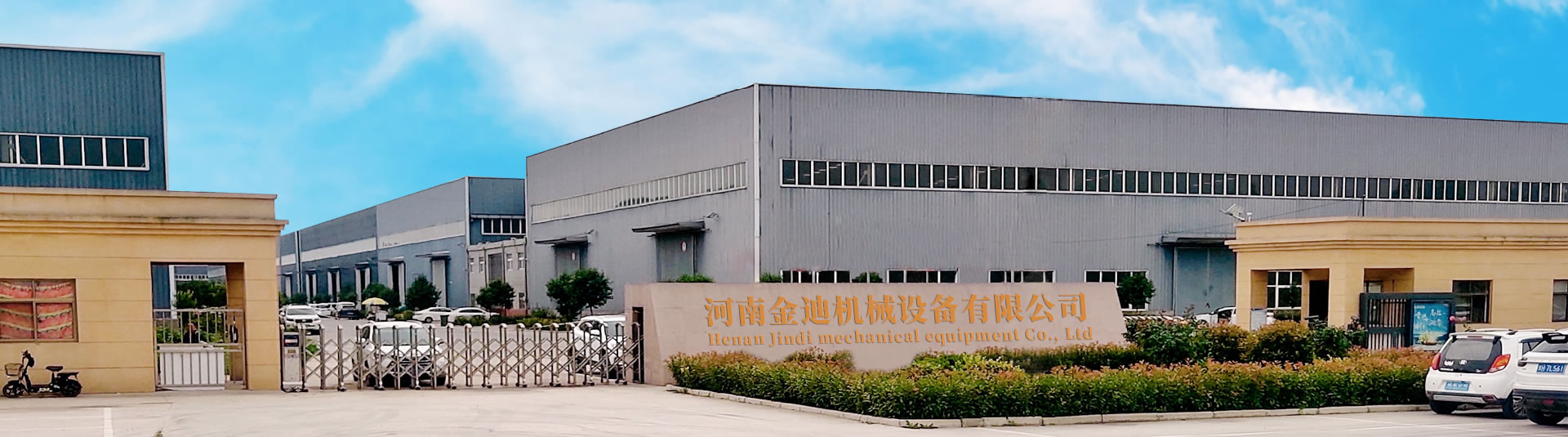
Nova Machinery Supply is the public brand. The manufacturing base is in Jiaozuo, Henan, China — Weiyi Road, Wenxian Development Zone — operating since 2005 on an 80,000 m² industrial park. We build 6th-generation CRB600H cold-rolling lines (φ6–φ12 high-ductility two-ribbed bar), rebar finishing cells, biomass burners, and screw grinders. Read this alongside how to spec a CRB600H mill and the OEM manufacturer hub.
What a mill RFQ is for
An RFQ is not a request for the lowest EXW number. It is a request for an offer that can survive civil works, electrics, and start-up. For a mill or finishing cell, the offer should be able to answer:
- Which frame (Type 300 or Type 285) and which mill-exit cells.
- What voltage and HMI language ship with the line.
- What FAT will demonstrate, in the workshop, against the frozen layout.
- How the line is packed, marked, and documented for sea freight.
- What commissioning support and spare-parts handoff are in the same commercial paper.
- Which quality and inspection documents are available as copies on request.
If a supplier answers only with a price and a delivery month, you do not have an OEM offer yet.
Write the RFQ like a plant, not a marketplace listing
Send one package. Keep claims you cannot prove out of it.
Process and product
- Inlet rod and finished bar (CRB600H, φ6–φ12) or, for process equipment, heat load / feedstock photos.
- Coil vs straight bar vs stirrup mix — see finishing-cell choice.
- Annual tonnage or hours as a planning figure, not a guaranteed output.
Site
- Bay drawing, crane coverage, pits, inbound and outbound flow.
- Plant voltage and frequency.
- Destination port and whether you will attend FAT.
Commercial
- Incoterm you actually want discussed (do not assume).
- Whether the job is a complete line or a catalog machine upgrade.
- Document list you need for vendor onboarding.
MOQ is quoted by line (mills) or by machine (burners, grinders, finishing cells). Payment terms are quoted with the offer. Lead time is quoted after layout freeze. Quotes are issued on working days. We do not publish a 24-hour quote SLA, a country-count, or a “30 years” line — those figures are not how this plant is stated.
Layout freeze (do not skip this)
Layout freeze is the moment the drawing becomes the contract reference: mill centerlines, take-up, finishing cells, operator access, cable and piping corridors, and the crate list that will be packed against that drawing.
Until freeze:
- Civil can still move a pit or a column clash.
- Take-up vs collector can still change mill-exit length.
- Voltage and cabinet placement can still change.
After freeze:
- Steel is cut to that drawing.
- FAT is scored against that drawing.
- Packing lists and marks follow that drawing.
- Site commissioning expects that drawing.
Custom programs — footprint, flow, mill-exit cells drawn before steel is cut — are the custom mill layout path. Catalog machines without a new mill still need an infeed/outfeed sketch; they just do not need a full line freeze. Mixing the two (“give me Type 300 pricing, we will see about the straightener later”) is how plants grout a mill that leaves no room for the cell.
FAT — define it before you book flights
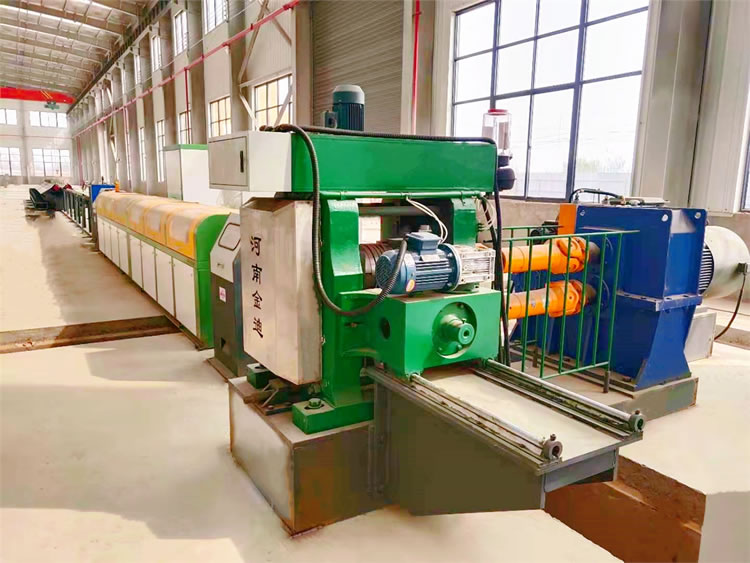
Factory acceptance is a workshop dry run against the frozen layout, not a marketing video. Agree in the offer:
- Which machines run, under what no-load or simulated-load conditions the workshop can actually provide.
- Which instruments and checklists are used.
- Who attends (your millwrights, a third-party inspector, or document-only FAT).
- What punch-list items block packing versus what can close at site.
A dry run will not replace site commissioning on your rod and your voltage. It will catch missing guards, wrong drum handing, HMI language errors, and crate-list gaps while the line is still in Jiaozuo. If you will not attend, say so and define the photo/video and sign-off pack instead of discovering that nobody agreed what “FAT passed” meant.
Packing for export
Mill lines and finishing cells ship as sea crates, not as a single magic container of “the mill.” The packing list should trace to the frozen layout: stands, electrics, take-up, cells, spares, and loose parts marked so the site crew can stage in bay order.
Ask for:
- Crate list and marks tied to layout item numbers.
- Moisture and handling notes for electrics.
- Spare-parts list packed for start-up versus packed as a follow-on.
Packing is part of the OEM offer (workshop dry run and crate list against the freeze). If packing is “standard export packing” with no list, you will inventory surprises on the dock.
Commissioning and spares
Start-up support and a spare-parts handoff are scoped on the same offer as the line. Define:
- What the OEM crew does on site (erection supervision, electrical check, first-coil or first-bar support) versus what your millwrights own.
- How many trips or days are included — as a scoped number in the offer, not as an open promise.
- Which wear parts and electrics ship in the first spare kit.
Commissioning on a US or EU plant also means the voltage and HMI language were quoted correctly at freeze. Do not treat those as site extras.
Certificate copies on request
Do not ask a mill OEM for medical-device files. Do not accept invented certificate numbers on a website. For this plant, named systems include ISO 9001, environmental, occupational health, intellectual-property, after-sales, energy, BV, SGS, CCC, and mining-product safety documents. Copies on request — that is the honest commercial path.
Vendor-onboarding teams should:
- Request copies, not slogans.
- Check that names and addresses match the Jiaozuo manufacturing base.
- Keep numbers off marketing pages unless legal has released the scan.
The certifications hub is the on-site index. Patent ZL 2012 2 0055389.6 (high-ductility two-roll mill) is the published mill patent; it is not a substitute for your plant’s quality file.
How to work with this OEM
Catalog machines — straighteners, bend cells, take-up, collectors, burners, grinders — follow wholesale: standard SKUs, spare kits, quoted by machine.
Custom mill lines — Type 300 / Type 285 with voltage, take-up, finishing mix, FAT, packing, and commissioning — follow custom layouts.
Process equipment on the same site (burners 0.3–9.0 million kcal, grinders Type 400/600/800) can share an inquiry. Size burners from heat load; see burner sizing.
We supply export programs for overseas plants. We do not publish a country tally. We do not operate a fake overseas HQ. Inquiries go to the plant commercial channel: inquiry form or jindiyj@163.com. WhatsApp for the sales line is published on the site contact details.
RFQ sequence that actually closes
- Bar program or heat load on paper.
- Catalog review: rolling mills or process equipment, plus specs.
- Layout (or infeed sketch) and voltage.
- Offer: frame, cells, FAT, packing, commissioning, spares, document copies.
- Freeze.
- Manufacture, FAT, crate, ship, start-up.
That is the whole method. Price without freeze is not sourcing; it is shopping. When the bay drawing and bar (or heat) program are ready, send them with the inquiry.